TECHNOLOGY FOR TEACHING AND LEARNING
INTRODUCTION
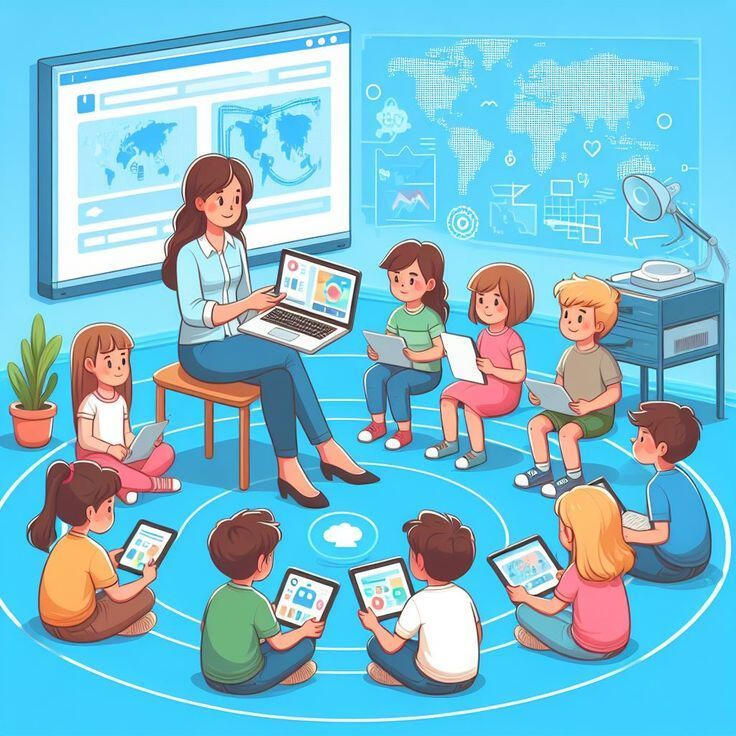
Technology in teaching and learning refers to the use of digital tools, resources, and platforms to enhance the educational process. It integrates hardware (like computers, tablets, and interactive whiteboards) and software (such as educational apps, learning management systems, and multimedia content) to support both teachers and students in achieving better learning outcomes.
PURPOSE OF TECHNOLOGY IN TEACHING AND LEARNING
Purpose of Technology in Teaching and Learning
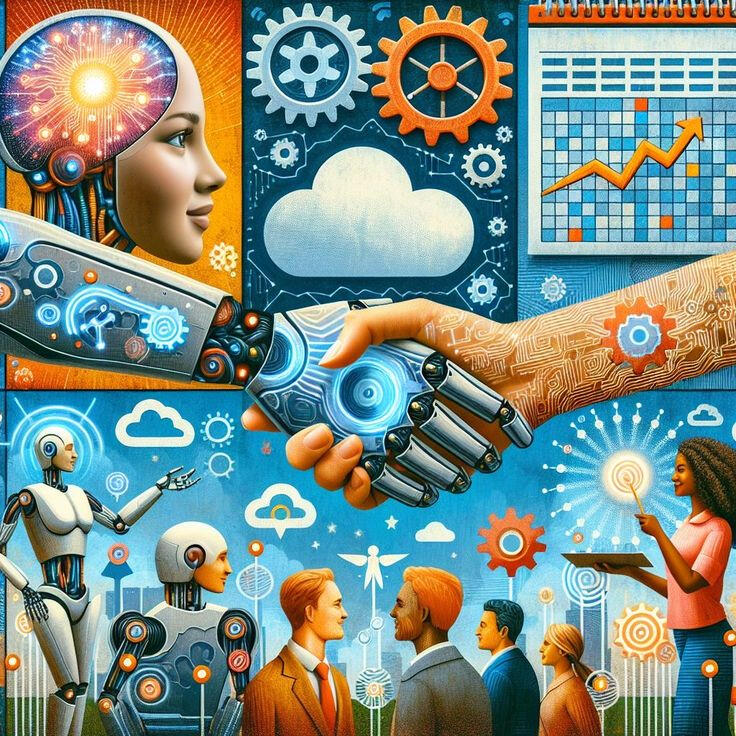
The main purposes of using technology in education include:Enhancing Engagement: Making lessons more interactive and interesting to capture students’ attention.Facilitating Access: Providing access to a vast range of resources and information anytime and anywhere.Supporting Differentiation: Catering to diverse learning styles and needs through personalized learning tools.Improving Collaboration: Enabling communication and teamwork among students and teachers beyond the classroom.Increasing Efficiency: Automating administrative tasks and providing instant feedback to save time.Developing Digital Literacy: Preparing students with essential skills for the modern digital world.
Usage of Technology in Teaching and Learning (with Examples)
1. Multimedia Presentations:Teachers use tools like PowerPoint or Prezi to create engaging lessons with images, videos, and animations.
Example: A science teacher shows a video of a chemical reaction to illustrate concepts.
2. Learning Management Systems (LMS):Platforms like Google Classroom, Moodle, or Canvas organize course materials, assignments, and assessments online.
Example: Students submit homework digitally and receive grades and feedback through the LMS.
3. Interactive Whiteboards and Smartboards:These allow teachers to display content interactively, annotate, and involve students in problem-solving activities.
Example: A math teacher solves equations on a smartboard with student participation.
4. Educational Apps and Games:Apps like Kahoot!, Duolingo, or Quizlet make learning fun and reinforce concepts through quizzes and practice.
Example: Students practice vocabulary in a foreign language class using Duolingo.
5. Virtual Classrooms and Video Conferencing:Tools like Zoom or Microsoft Teams enable remote teaching and real-time interaction.
Example: During school closures, teachers conduct live lessons online.
6. Simulations and Virtual Labs:Software that simulates experiments or real-world scenarios for safe, hands-on learning.
Example: A biology class uses a virtual dissection app to study anatomy.
7. Collaborative Tools:Google Docs, Padlet, or Trello allow students to work together on projects and share ideas.
Example: Students co-write a report using Google Docs in real time.
SUMMARY:
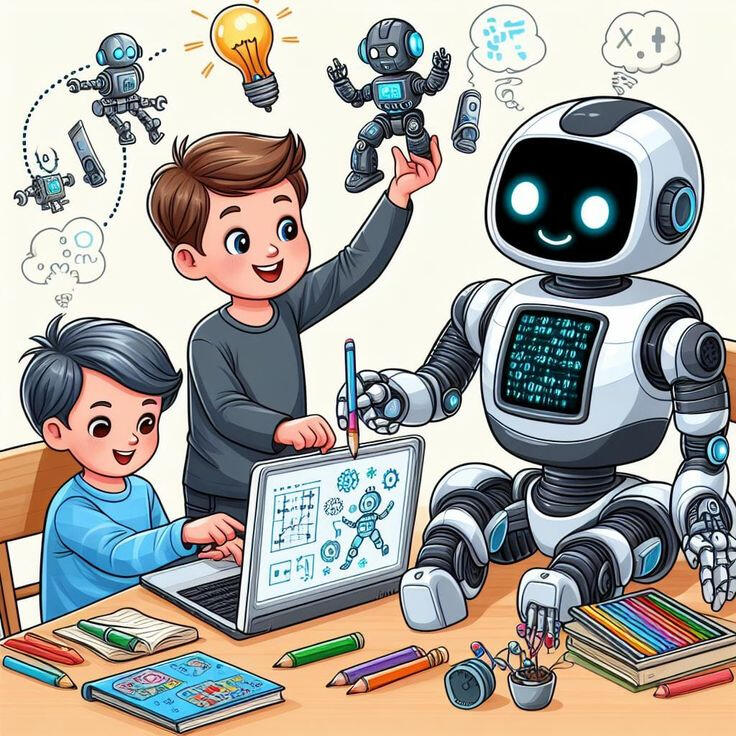
Technology in education transforms traditional teaching methods by making learning more interactive, accessible, and personalized. It equips students with critical skills and supports teachers in delivering effective instruction.